No Comments
New York Senate unanimously passes bill banning gambling ads targeting minors
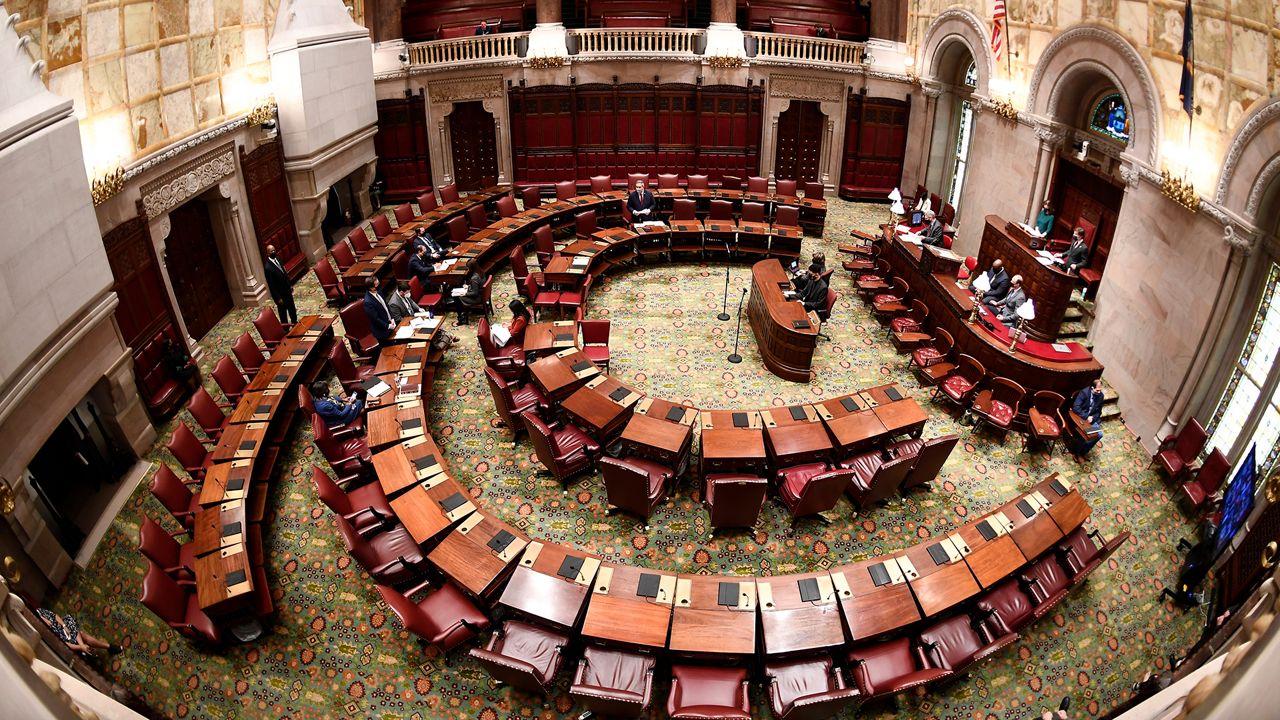
The New York Senate unanimously passed the ‘No Gambling Ads For Kids Act’ on Monday, banning gambling advertisements targeting minors on social media platforms. The bill, approved 60-0, now moves to the Assembly for consideration before potentially becoming law.
The bill makes it illegal for social media platforms to promote advertisements related to online gaming gambling, sweepstakes, sports gambling, or traditional online gambling unless the operator has reasonably confirmed the user is not a minor. This includes exchanging real money for chance-based rewards such as loot boxes, skins trading, and other in-game transactions. Gaming companies could face sanctions for promoting games with loot boxes on social media, with violations treated as false advertising and potentially enforced by the New York Attorney General or the New York State Gaming Commission.
In addition to video game gambling, the legislation prohibits targeted ads for prediction markets, sweepstakes casinos, and sportsbooks aimed at minors. The New York Senate passed the ‘No Gambling Ads For Kids Act’ unanimously with a 60-0 vote. The bill now advances to the Assembly, and if approved, Governor Kathy Hochul—who highlighted the need for strong safeguards to prevent underage gambling in April—is expected to sign it into law.
The proposal complements efforts by lawmakers to limit gambling companies’ access to minors. A federal bill called the Gaming Advertisement to Minors Enforcement (GAME) Act, introduced recently, aims to enforce a national ban on targeted gambling ads toward children. Several states, including Massachusetts, Virginia, North Carolina, Indiana, and Missouri, already have similar bans. New York’s version is notably broader, encompassing loot boxes and prediction markets under the gambling definition.
Separately, New York’s Attorney General is involved in a lawsuit against Valve, alleging that the company’s loot boxes promote illegal underage gambling. Valve responded with a motion to dismiss the case, arguing that loot boxes are comparable to baseball cards, which are not considered gambling.